Subscribe and receive 10% off your first order
FREE shipping on UK orders over £50
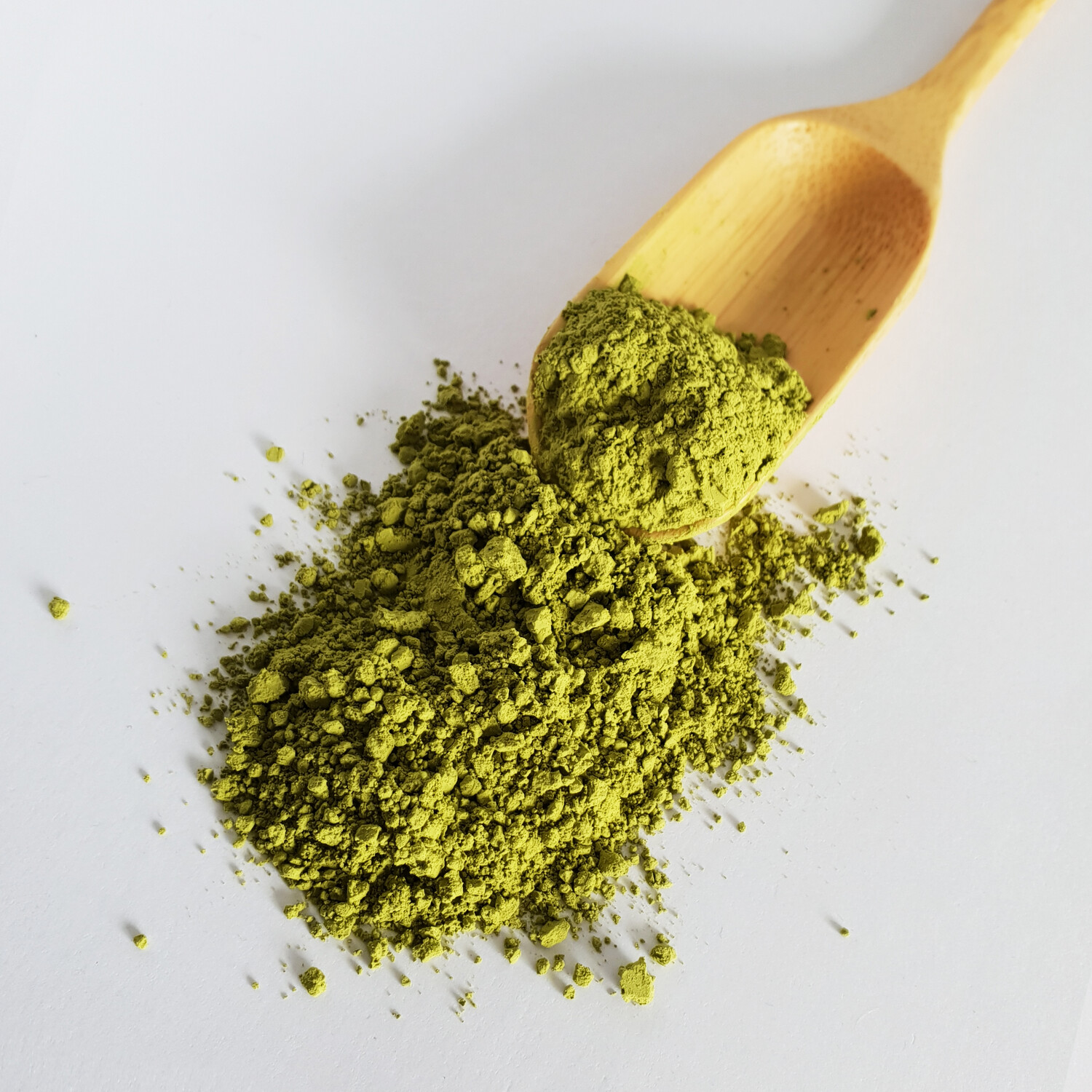
Oma's Taiwanese Matcha (Everyday Taiwanese Green Tea Powder, Taiwan)
An everyday matcha with a story - and a flavour profile you won't find in Japanese or Chinese matcha. The name nods to the grandmother whose stories of Japan and the island known as Formosa inspired this tea - a matcha shaped by Taiwan's colonial-era tea tradition and generations of local wisdom. Versatile enough for daily use in lattes, baking, smoothies, and food. Gluten-free, paleo, and fully plant-based.
What Is Taiwanese Matcha?
Matcha is a finely milled green tea powder made from shade-grown Camellia sinensis leaves. Unlike steeped green tea, matcha is consumed whole - meaning you ingest the entire leaf and 100% of its nutritional content, including catechins (particularly EGCG), L-theanine, flavonoids, and chlorophyll.
Taiwan's matcha tradition has its own distinct identity. Introduced and refined during the Japanese colonial period, Taiwanese matcha has developed a flavour profile shaped by the island's unique terroir - lighter and more tannic than Japanese ceremonial grades, with sencha-like overtones and a subtle complexity that reflects the island's tea heritage. For those who use matcha mixed into drinks, food, and recipes rather than for traditional ceremony, Oma's Taiwanese Matcha is an ideal everyday choice.
Tasting Notes
Subtle tannins · light vegetal sweetness · sencha-like complexity · clean, smooth finish · reminiscent of traditional Taiwanese tea culture
Key Features
How to Use Oma's Taiwanese Matcha
Classic Matcha Latte:
Heat water and allow to cool to 70–75°C (do not use boiling water - it destroys delicate compounds and turns matcha bitter). Whisk ½–1 tsp matcha with a small amount of water until smooth and frothy. Add 250ml warm milk or plant-based alternative (oat and soy work particularly well). Sweeten with honey, stevia, or sugar to taste.
Iced Matcha Latte:
Whisk matcha with a small amount of warm water. Pour over ice and add cold milk. Sweeten as desired.
Smoothies & Protein Shakes:
Add ½–1 tsp to your blender with your usual ingredients for a natural energy and antioxidant boost.
Baking & Desserts:
Mix into pancake batter, cookie dough, cake mix, or muffin batter. Fold into ice cream bases, cheesecake, or chocolate ganache. Whip into buttercream frosting for a matcha cream.
Toppings:
Dust over yoghurt, ice cream, porridge, or pastries for colour, flavour, and nutritional value.
Savoury Uses:
Stir into salad dressings, noodle sauces, or seasoning blends - matcha's umami quality works well beyond sweet applications.
Taiwanese Matcha vs Japanese Matcha - What's the Difference?
| Taiwanese Matcha | Japanese Matcha | |
|---|---|---|
| Flavour | Subtly tannic, sencha-like | Grassy, sweet, umami-rich |
| Body | Light, delicate | Fuller, more intense |
| Origin | Taiwan (Japanese colonial tradition) | Japan |
| Best for | Everyday drinks, food, baking | Ceremony, premium lattes |
| Price | Everyday accessible | Ceremonial grades premium |
Product Details
Wholesale Available: This product is available in bulk quantities - please enquire.
Common Searches This Product Answers
Oma's Taiwanese Matcha · Oma matcha · Taiwanese matcha · Taiwan green tea powder · matcha from Taiwan · Formosa matcha · Formosa matcha Marulin · everyday matcha powder · Taiwanese matcha vs Japanese matcha · matcha latte · matcha baking · matcha smoothie · EGCG green tea · L-theanine matcha · gluten free matcha · vegan matcha powder · whole leaf green tea · matcha ice cream · matcha protein shake · matcha frosting · matcha pancakes · Taiwan tea powder UK · affordable matcha UK
Subscribe and receive 10% off your first order
FREE shipping on UK orders over £50